Jak opravit promáčknuté dveře se sklem - krok za krokem
prosince 17 2023Koupě nemovitosti od obce: Co musíte vědět před podpisem
When you buy a property from a municipality, you’re not just getting a house or a plot of land—you’re entering a system with its own rules, paperwork, and hidden traps. koupě nemovitosti od obce, proces, kdy město nebo obec prodává státní nebo komunální nemovitost, často s omezenými právy a specifickými podmínkami. Also known as zakoupení pozemku od obce, it is not the same as buying from a private owner. The process is slower, more bureaucratic, and often comes with strings attached—like building restrictions, resale limits, or mandatory renovations. Many people think it’s a shortcut to affordable housing, but without knowing the rules, you could end up paying more in the long run—or worse, stuck with a property you can’t sell or modify.
One key thing to understand is the difference between byt od obce, byt, který obec vlastní a nabízí k prodeji, často s přednostním právem pro místní obyvatele and katastr nemovitostí, oficiální evidenční systém, kde se zaznamenává vlastnictví, plocha a omezení každé nemovitosti. Just because a property is listed for sale doesn’t mean it’s free of legal issues. You must check the land registry to see if there are easements, environmental restrictions, or unpaid fees. A recent case in Brno showed a buyer who thought they bought a free plot—only to find out later that the city retained the right to install underground utilities across half of it. No compensation. No recourse.
Another common mistake? Assuming the price is final. Municipal sales often include hidden costs: notary fees, surveying, connection to public utilities, or mandatory energy upgrades. Some towns require you to complete renovations within two years or face penalties. Others only sell to residents who have lived in the area for five years or more. And if you’re not a Czech citizen? You might need special permission—even for a small garden plot.
But it’s not all red tape. Buying from the municipality can be a smart move if you know what you’re doing. You often get better prices than on the open market, especially for older buildings in need of repair. Some towns even offer grants or low-interest loans if you commit to energy-efficient renovations. And because the property was owned by the state, there’s usually no previous owner drama—no disputes over boundaries, no unpaid rent, no weird neighbors.
Below you’ll find real stories and practical guides from people who’ve been through it. From how to read the official offer documents, to what questions to ask the town hall before signing, to how to avoid getting stuck with a property that looks cheap but costs a fortune to fix. Whether you’re looking at a studio flat in Ostrava or a plot in a village near Plzeň, these posts give you the exact steps to follow—no fluff, no theory, just what works in the Czech system.
 5 lis
5 lis
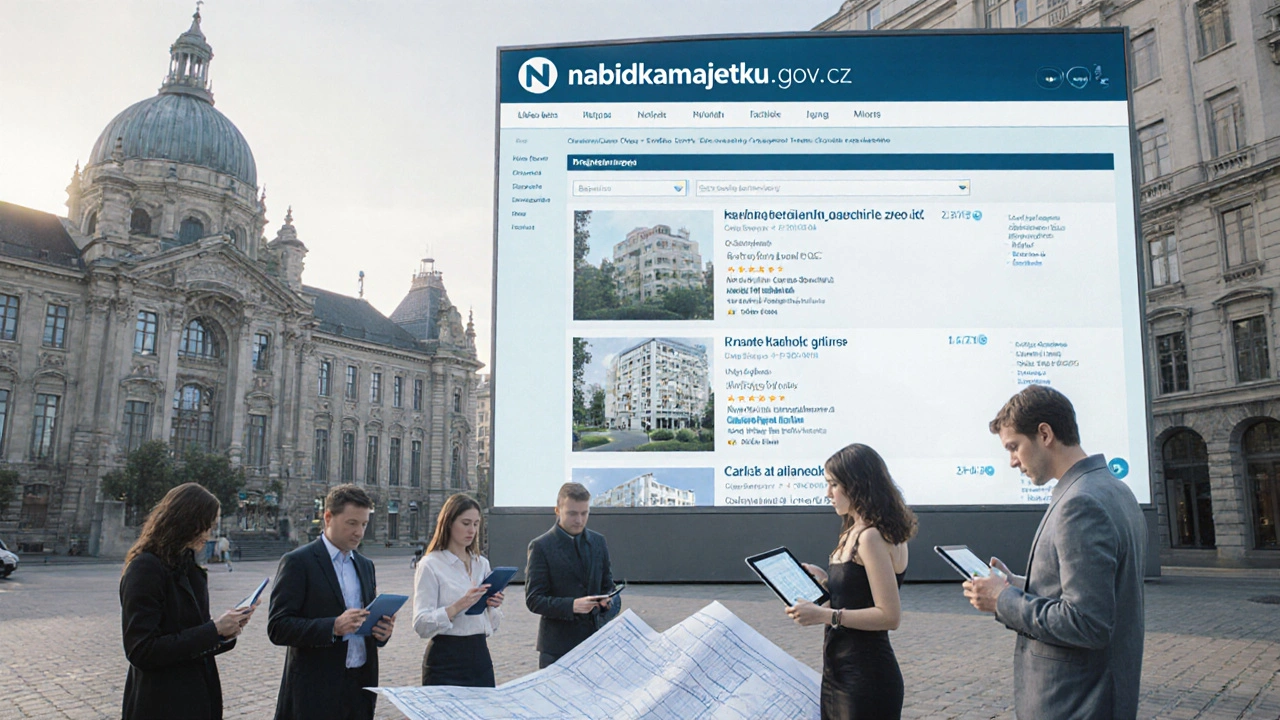
Koupě nemovitosti od státu, obce nebo města: Postup v ČR
Jak koupit nemovitost od státu, obce nebo města v ČR? Zjistěte podrobný postup, pravidla, tržní cenu, role ÚZSVM a jak se vyhnout běžným chybám. Vše podle nejnovějších zákonů a praxí.
Číst více...