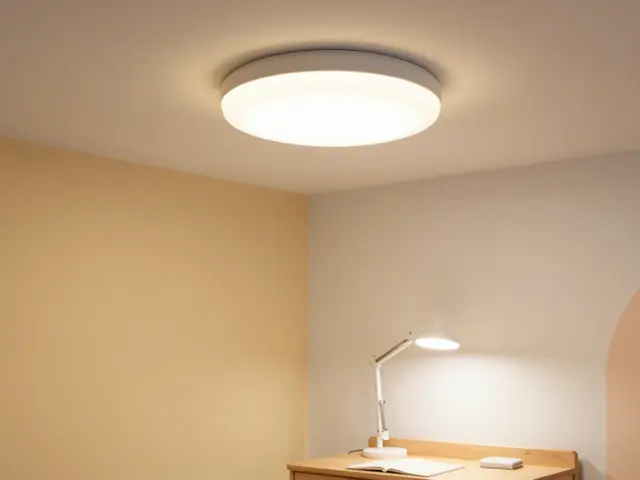
Osvětlení dětského pokoje: bezpečné a hravé
března 26 2026Nájemné a hluk: jak se chránit před rušivými sousedy a nečekanými náklady
When you sign a rental agreement, you’re not just paying for square meters—you’re paying for nájemné, pravidelná platba za nájem bytu, která zahrnuje i skryté náklady jako údržbu nebo vytápění. Also known as měsíční nájem, it’s the first thing you notice—and the first thing that can ruin your peace. A hluk, nežádoucí zvuky z sousedních bytů, schodů nebo ulice, které ruší klid domácnosti. Also known as šumění stěn, it’s not just annoying—it’s a health issue. Many renters don’t realize that high rent and loud neighbors often go hand in hand. A cheap apartment in a noisy building might cost you more in stress, sleepless nights, and lost productivity than a slightly pricier one in a quiet block.
There’s a reason why 68% of people who move within two years cite noise as the main reason. It’s not just the music from next door or the barking dog—it’s the creaking floors, the flushing toilets, the TV through thin walls. Even if your landlord promises "quiet building," that’s not legally binding unless it’s written into the nájemní smlouva, právní smlouva mezi nájemcem a vlastníkem, která musí obsahovat podmínky nájmu, výše nájemného a povinnosti obou stran. Also known as smlouva o nájmu bytu, it’s your only protection. Check if the contract mentions insulation standards, window types, or floor materials. If it doesn’t, you’re gambling with your peace.
And nájemné? Don’t just accept the first offer. In Prague, rent for the same size apartment can vary by 40% depending on the building’s age, insulation, and whether the windows are single or double glazed. Older buildings with thin walls and single-pane windows are cheaper—but they’re also louder and more expensive to heat. A modern window with proper sealing can cut outside noise by 70% and lower your heating bill. That’s not luxury—it’s smart renting.
You can’t fix bad insulation after moving in. But you can spot it before. Look for signs: if the walls feel cold to the touch, if you hear every footstep from upstairs, if the windows rattle when the bus drives by—those are red flags. Ask to see the energy performance certificate. If the building has a low rating, expect higher bills and more noise.
And if the noise starts after you move in? Document it. Record it. Write down dates and times. Most landlords will fix it—if you have proof. Without it, you’re just complaining. The law protects you, but only if you speak up with facts.
Below, you’ll find real stories and practical fixes from people who’ve been there. From how to use thick curtains to block street noise, to what clauses to demand in your rental contract, to how to prove that your neighbor’s dog barks 12 hours a day. This isn’t theory—it’s what works in Czech apartments right now.
 7 pro
7 pro
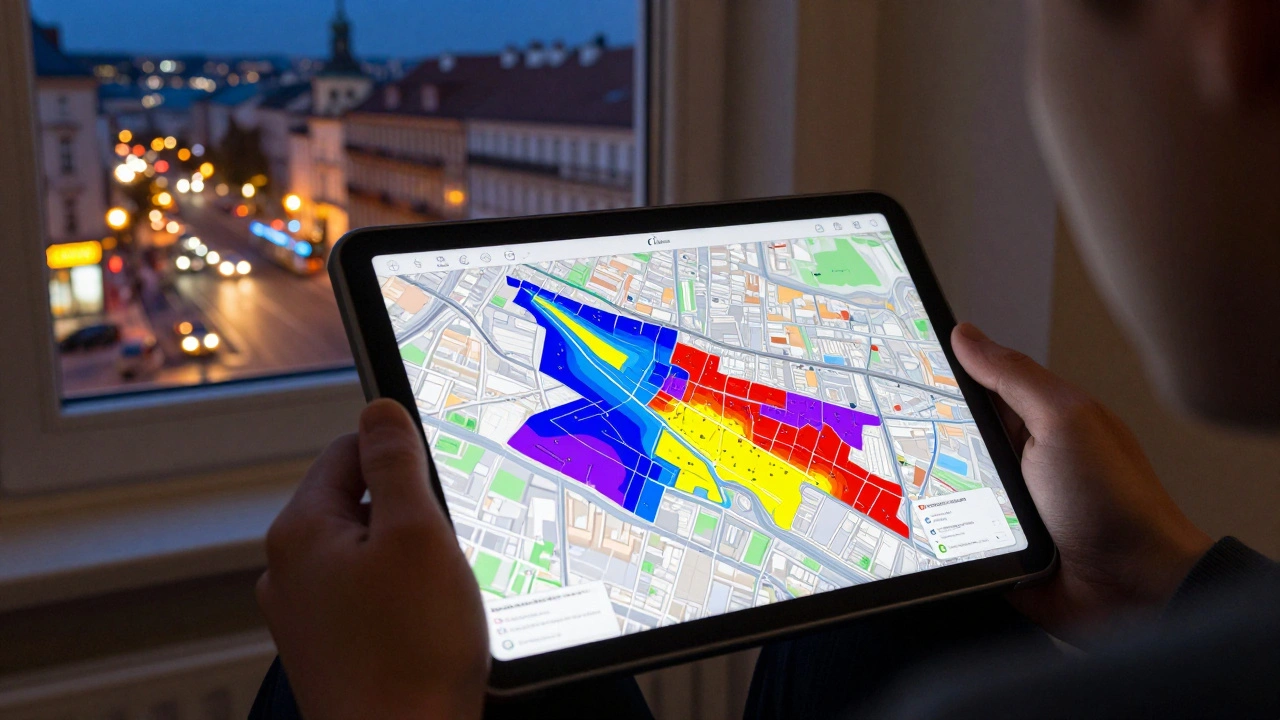
Hlukové mapy a bydlení: Jak číst data při výběru lokality v ČR
Hlukové mapy ukazují, kde je v ČR největší hluk. Pouze 28 % lidí je při výběru bytu používá, přestože hluk nad 55 dB zvyšuje riziko nemocí a snižuje cenu nemovitosti. Zjistěte, jak číst mapy a jak vybrat klidnou lokalitu.
Číst více...